


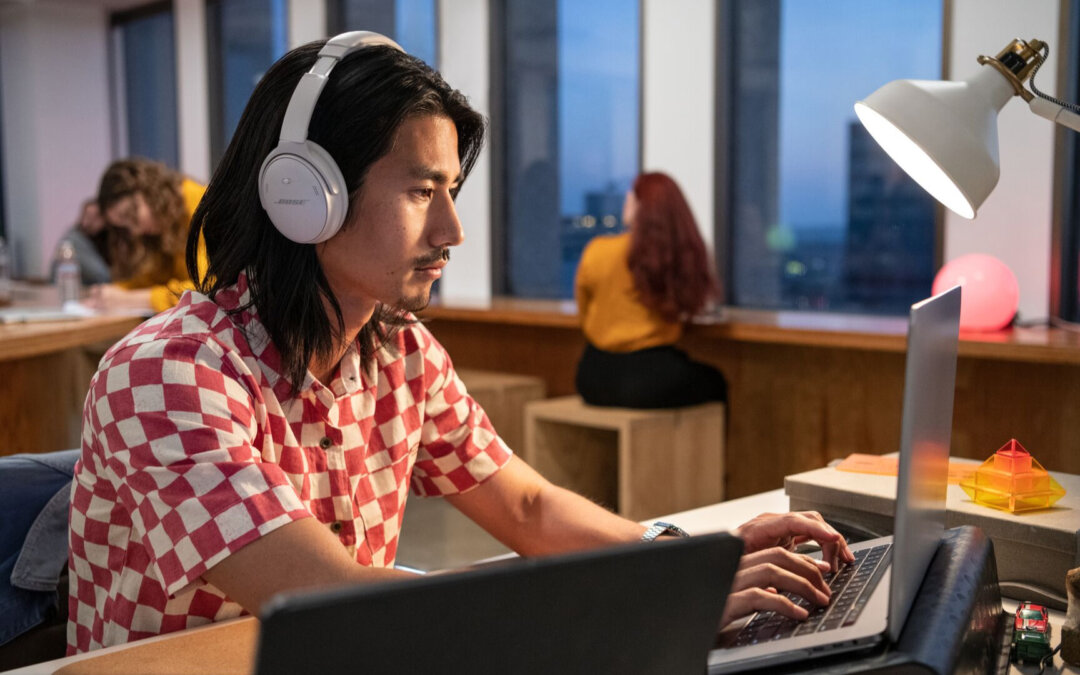
Noise-cancelling headphones are more popular than ever, and many people are searching for the best noise cancelling headphones to match their lifestyle. Whether you use them for work, travel, studying, commuting, or relaxing at home, it’s normal to wonder how safe they really are. As their popularity grows, so do questions like:
- Is it safe to wear noise-cancelling headphones?
- Can ANC cause hearing damage?
- Are there side effects?
- How long is it safe to use noise-cancelling headphones?
This guide breaks everything down in clear, simple language so you understand exactly how noise-cancelling works, what it does to your ears, and how to use it safely.
Is It Safe to Wear Noise-Cancelling Headphones?
Yes — noise-cancelling headphones are safe for your hearing. In fact, they can protect your ears when used correctly.
➡️ Here’s how noise cancelling headphones work
Many people assume that Active Noise Cancellation (ANC) uses pressure, force, or harmful waves. That’s not true. ANC simply uses microphones and audio processing to cancel unwanted noise by producing an opposite sound wave. It’s math and audio engineering — not physical pressure. Here’s what you should know:
Active Noise Cancellation does NOT damage your hearing
ANC does not emit anything harmful. It doesn’t affect your inner ear, eardrums, or hearing structures. It only reduces unwanted noise.
Noise-cancelling helps you listen at lower volumes
When the world is loud, most people turn up their volume to overpower background sounds. Because ANC blocks out noise, you don’t need higher volume — which protects your ears from damage.
Most hearing damage comes from loud volumes, not ANC
What harms hearing:
- Listening above 85 dB for long periods
- High volume settings (70% or higher)
- Sudden loud bursts
- Consistent exposure to noisy environments
ANC actually helps you avoid this.
When to be cautious with ANC
Noise cancellation reduces awareness of your surroundings, so be careful when:
- Walking near traffic
- Crossing streets
- Jogging outside
- In unfamiliar areas
It’s not a hearing risk — it’s a safety risk due to reduced awareness.
Side Effects of Noise-Cancelling Headphones
Some people experience mild side effects when using ANC, but none of them cause hearing damage.
The “Ear Pressure” Sensation
This is the most common side effect. It feels like the slight pressure you get in an airplane — but it’s not actual pressure.
Why it happens:
- ANC creates anti-noise sound waves
- Some brains interpret this as pressure
- The sensation usually fades after using ANC for a few days
This feeling is harmless.
Mild Dizziness or Disorientation (Rare)
A small number of users feel slight dizziness when ANC is very strong. This is more common in older ANC headphones.
Current Bose models tune ANC more naturally, reducing this effect.
Reduced Awareness
Not harmful to your ears, but something to note. Using ANC in public may prevent you from hearing:
- Car horns
- People calling your name
- Emergency sounds
Ear Fatigue
This comes from wearing headphones for long periods, not from ANC itself. Taking short breaks helps.
Important Note: None of these side effects damage your hearing. They are temporary and disappear once you remove the headphones.
Benefits of Noise-Cancelling Headphones for Hearing Health
Noise-cancelling headphones don’t just avoid harm — they actively protect your long-term hearing when used properly.
1. They help you listen at safe volume levels
Because ANC blocks noise, you don’t have to turn up your music. This prevents volume-related hearing loss.
2. They lower your exposure to harmful background noise
Examples:
- Airplane engines
- Commuter trains
- Busy streets
- Noisy offices
Lower noise exposure = healthier ears.
3. They reduce ear fatigue
Constant noise makes your ears and brain work harder. ANC reduces this strain, letting you listen comfortably for longer.
4. They help with focus and concentration
Less noise → less stress → more productivity.
5. They make travel and commuting more comfortable
Engine noise can hit 80–100 dB. ANC reduces that significantly.
How to Use Noise-Cancelling Headphones Safely
Although ANC is safe, the way you use your headphones matters for long-term hearing health.
1. Follow the 60/60 Rule
To prevent hearing damage:
- Keep volume below 60%
- Limit loud listening to 60 minutes at a time
If you’re listening at moderate volume? You can safely use headphones much longer.
2. Take Short Listening Breaks
Give your ears a rest every 1–2 hours. Even a 5-minute break helps prevent ear fatigue.
3. Turn ANC off in high-risk situations
Disable ANC when you need situational awareness:
- Walking on streets
- Cycling
- Driving
- At night outdoors
This isn’t about hearing — it’s about safety.
4. Keep your ears clean
Earwax buildup can cause sound distortion or discomfort.
5. Don’t sleep with ANC on
Not harmful to your ears, but:
- You may miss important sounds
- It can cause discomfort if you sleep on your side
6. Avoid using ANC at maximum strength continuously
Most modern Bose models have adaptive ANC levels. You don’t always need the strongest setting indoors.
Frequently Asked Questions
How long is it safe to use noise-cancelling headphones?
As long as you keep the volume at a moderate level (below 60%), you can use ANC headphones for long periods without risk. For high-volume listening, take a 5-minute break every hour. ANC itself does not cause hearing damage.
Is it bad to have noise cancellation on all the time?
No — ANC is safe to use continuously. It doesn’t stress your ears, and it can even reduce noise exposure. The only time you should turn ANC off is when you need awareness (walking outside, street safety, etc.).
Can noise-cancelling headphones cause tinnitus?
No. ANC does not cause tinnitus. Some users with existing tinnitus actually find ANC helpful because it reduces environmental triggers.
The “pressure” sensation is not harmful and usually fades with use.
Do noise-cancelling headphones reduce ear fatigue?
Yes. Because they lower background noise, your ears work less and stay relaxed longer — especially during long travel or study sessions.
Are noise-cancelling headphones good for studying or working?
Absolutely. ANC removes distracting ambient sounds, making it easier to focus, concentrate, and stay productive.
Shop for Noise Cancelling Headphones at Eleksis Marketing Corporation
Looking for safe, comfortable, and high-quality noise-cancelling headphones? Here are some of the most popular Bose models you can find at Eleksis Marketing Corporation, the official Bose distributor in the Philippines:
-
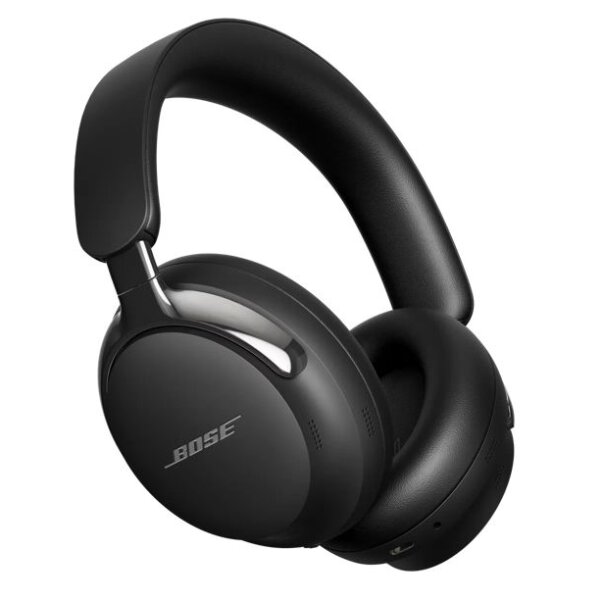
Bose QuietComfort Ultra Headphones (2nd Gen)
₱27,900.00Headphones, Noise Cancelling Headphones & Earbuds -
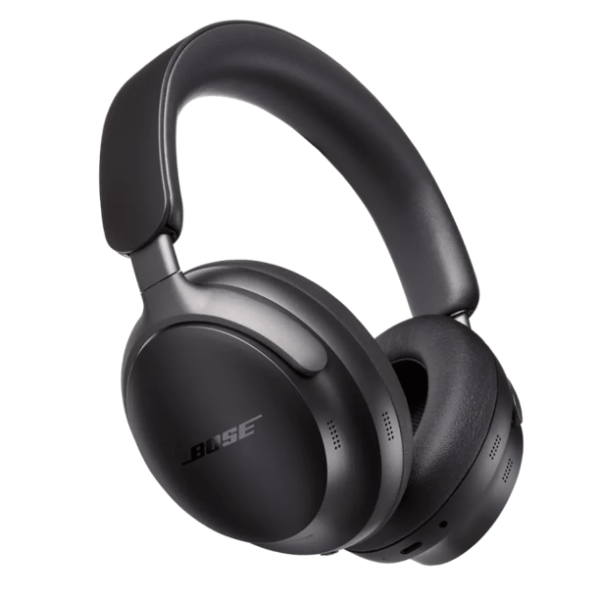
QuietComfort Ultra Headphones
₱27,900.00Headphones, Noise Cancelling Headphones & Earbuds -
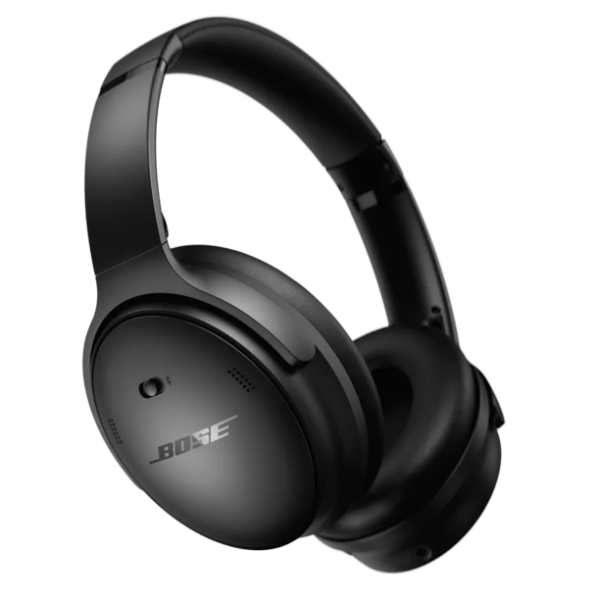
QuietComfort Headphones
₱22,900.00Headphones, Noise Cancelling Headphones & Earbuds -
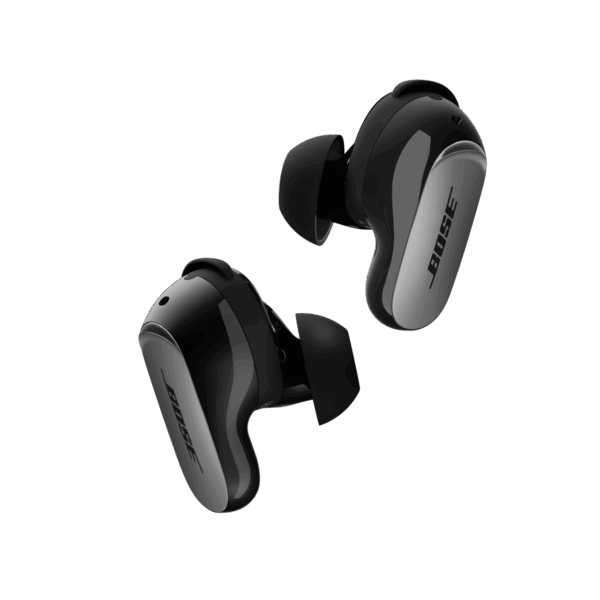
Bose QuietComfort Ultra Earbuds (2nd Gen)
₱19,500.00Headphones -
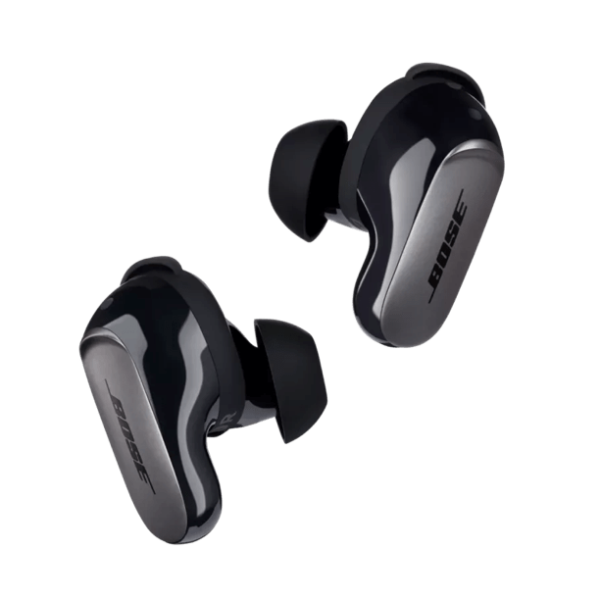
Bose QuietComfort Ultra Earbuds (1st Gen)
₱19,500.00Headphones, Noise Cancelling Headphones & Earbuds -
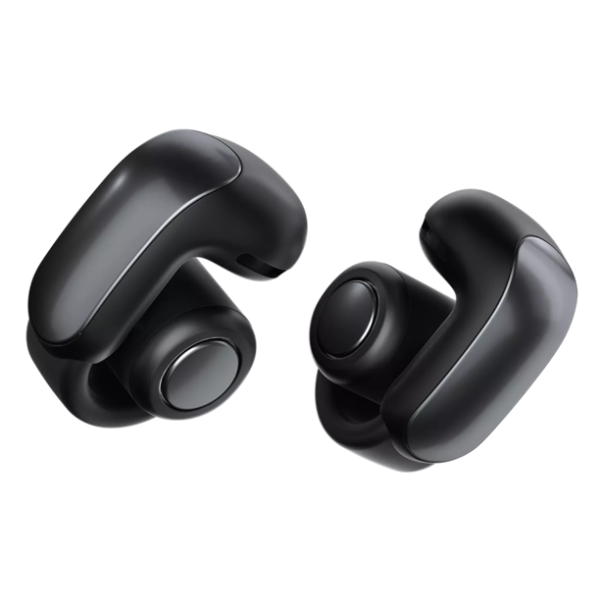
Bose Ultra Open Earbuds
₱18,500.00Headphones -
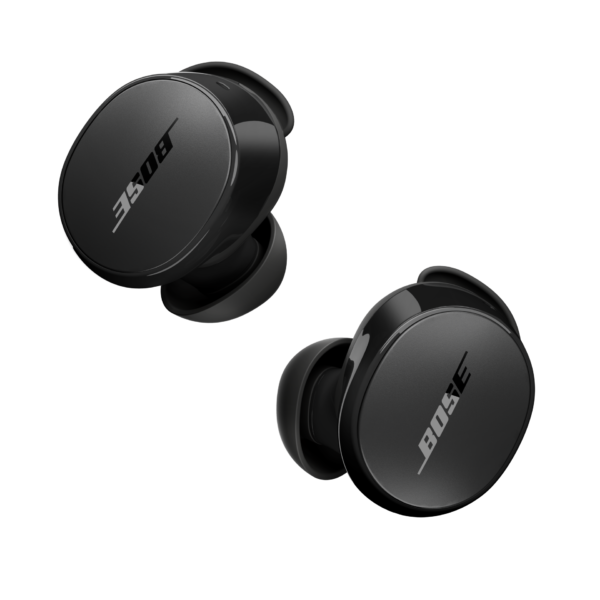
QuietComfort® Earbuds
₱10,990.00Headphones, Noise Cancelling Headphones & Earbuds -
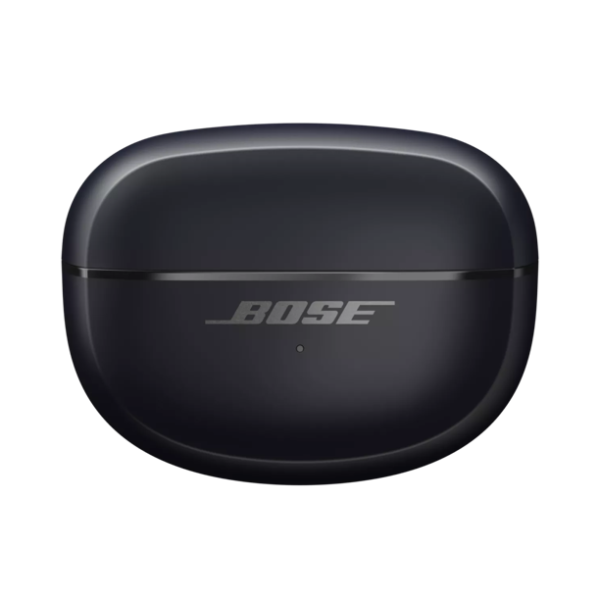
Bose Ultra Open Earbuds Wireless Charging Case Cover
₱2,900.00Headphones & Earbuds Accessories
When you shop at Eleksis Marketing Corporation, you get:
- 100% original Bose products
- Official Bose warranty
- Free nationwide shipping
- Reliable customer support and after-sales service
➡️ Explore the full collection of Bose headphones and earbuds at eleksis.com
Other Helpful Resources: