

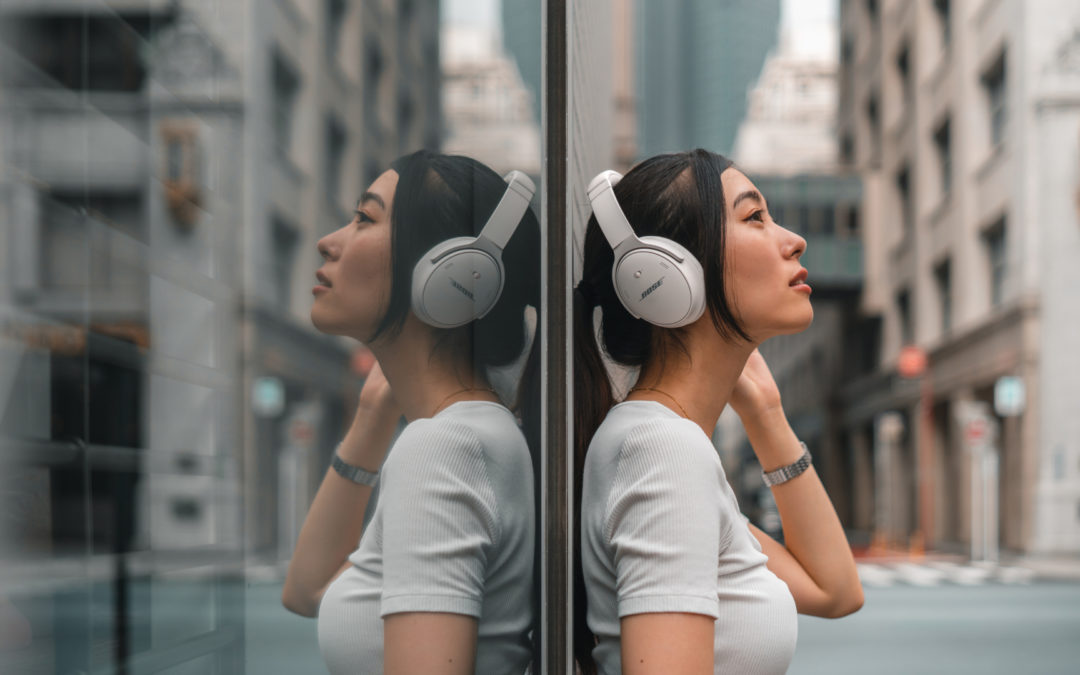
Whether you’re working in a busy cafe, flying across the country, or just trying to relax at home, noise-cancelling headphones have become essential for anyone who wants peace and focus. But what exactly is noise cancelling? How does it work—and is it really worth it?
In this guide, we’ll explain what noise cancelling means, the difference between active and passive noise cancelling, their pros and cons, and hopefully help you find the best noise cancelling headphones and earbuds.
What Is Noise Cancelling?
At its simplest, noise cancelling is a technology that reduces unwanted background sounds so you can focus on what you’re listening to. Instead of just turning up the volume to drown out distractions, noise-cancelling headphones use clever design—or even advanced electronics—to block or cancel external noise before it reaches your ears.
This makes your music clearer, your podcasts more enjoyable, and your calls easier to hear—even in loud places.
Noise Cancelling vs. Non-Noise Cancelling Headphones & Earbuds
To understand how this active noise cancellation technology changes the listening experience, it helps to compare it directly with standard headphones.
| Feature | Noise-Cancelling Headphones & Earbuds | Non-Noise-Cancelling Headphones & Earbuds |
|---|---|---|
| How it handles outside noise | Reduces outside sound with active (ANC) and passive isolation. | Minimal isolation; outside noise is mostly audible. |
| Audio clarity at lower volume | Clear at safe volumes because distractions are reduced. | Details get masked; users often turn volume up. |
| Comfort in noisy places | Excellent for planes, trains, offices, and cafés. | Less comfortable in loud spaces; more fatigue. |
| Power / battery | ANC needs battery power (works passively when off). | No battery needed. |
| Typical price | Premium due to added technology. | Usually more affordable. |
| Best for | Travel, work, study, focused listening. | Quiet rooms and casual listening. |
| Examples | Bose QuietComfort Ultra Headphones; QC Ultra Earbuds (2nd Gen). | Standard wired/BT headphones without ANC. |
In short, noise-cancelling headphones create a quiet bubble around you, while regular headphones simply play sound without filtering your surroundings.
How Does Noise Cancelling Work?
There are two main types of noise cancellation: active noise cancellation and passive noise cancellation. Both aim to reduce external noise, but they do it in very different ways.
- Passive Noise Cancelling (PNC) – This uses physical barriers to block sound. Over-ear headphones and in-ear tips seal your ears, preventing outside noise from entering.
- Active Noise Cancelling (ANC) – This uses built-in microphones that detect outside noise and then create sound waves that cancel it out (a process called phase inversion).
Bose pioneered this technology decades ago, especially in aviation headsets, and continues to lead the industry with adaptive ANC systems that adjust automatically to your surroundings.
Active Noise Cancellation vs. Passive Noise-Cancelling Technology — What’s the Difference?
Here’s a closer look at how these two systems compare:
| Category | Active Noise Cancelling (ANC) | Passive Noise Cancelling (PNC) |
|---|---|---|
| How it works | Microphones listen to noise and create anti-noise to cancel it. | Physical seal from earcups or ear tips blocks sound. |
| Power required | Yes — needs battery power. | No — always on. |
| Best at reducing | Low, steady sounds (engines, AC hum, road noise). | Mid/high sounds (chatter, keyboard clicks) if the seal is good. |
| Works if battery dies? | Music still plays, but ANC turns off (PNC remains). | Yes — unchanged. |
| Pros | Quieter environment; clearer detail at lower volumes. | No charging; lighter; simpler. |
| Cons | Uses battery; some feel slight ear pressure; higher cost. | Less effective in very loud places. |
| Ideal use | Flights, commuting, open offices, cafés. | Home, libraries, and naturally quieter spaces. |
| Examples | All current Bose models with ANC (e.g., QC Ultra Headphones, QC Ultra Earbuds 2). | All headphones provide some PNC by design (over-ear seal, in-ear tips). |
In short: passive noise cancelling is always “on,” while active noise cancelling is “smart.” Together, they deliver the quiet, immersive experience that Bose headphones are famous for.
The Benefits of Noise Cancelling Headphones
Wondering if noise cancelling is worth it? Here are some of its biggest advantages:
- Better Focus & Productivity – Block distractions at work or school.
- Improved Listening Experience – Hear music and podcasts clearly without raising the volume.
- Hearing Protection – Lower volume levels reduce long-term hearing strain.
- Comfort During Travel – Silence airplane engines and background chatter.
- Less Fatigue – Reducing noise helps your brain relax, making listening for long hours more pleasant.
The Disadvantages of Noise Cancelling
Noise-cancelling headphones are impressive, but they also come with a few minor drawbacks:
- Battery Requirement – Active noise cancelling needs power to work, so you’ll need to recharge regularly.
- Higher Price – The added technology makes them more expensive than standard headphones.
- Ear Pressure Sensation – Some people feel slight pressure when ANC is active, especially in quiet rooms.
- Reduced Awareness – Full noise cancellation can make it harder to hear your surroundings outdoors or while walking.
- Sound Profile Changes – Turning ANC on or off can slightly change how your music sounds.
-
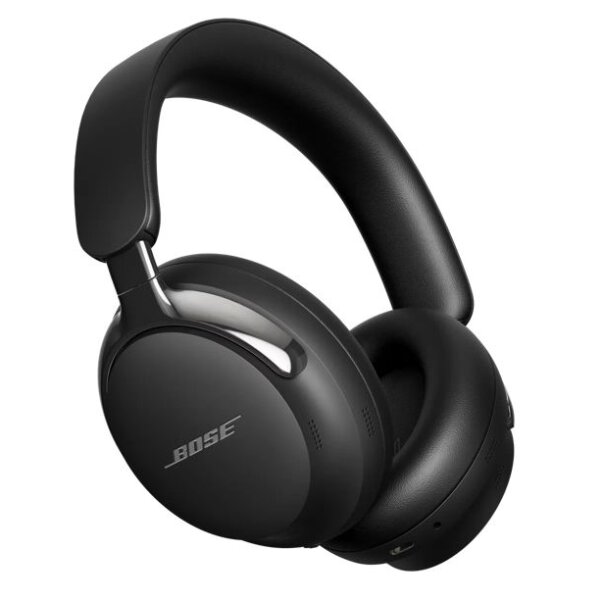
Bose QuietComfort Ultra Headphones (2nd Gen)
₱27,900.00Headphones, Noise Cancelling Headphones & Earbuds -
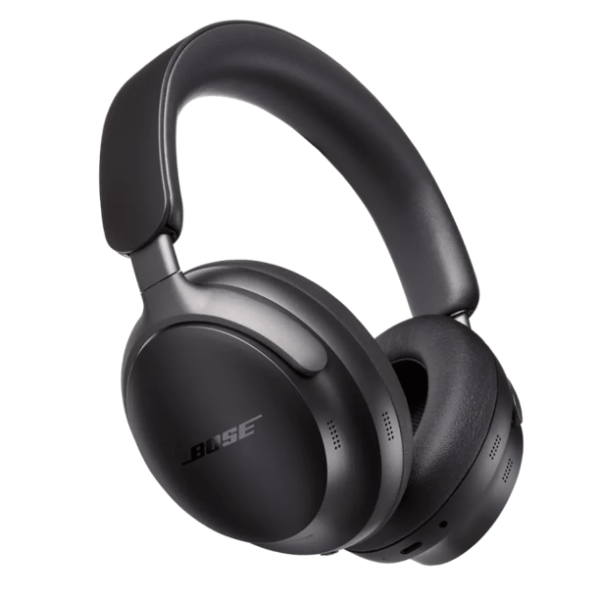
QuietComfort Ultra Headphones
₱27,900.00Headphones, Noise Cancelling Headphones & Earbuds -
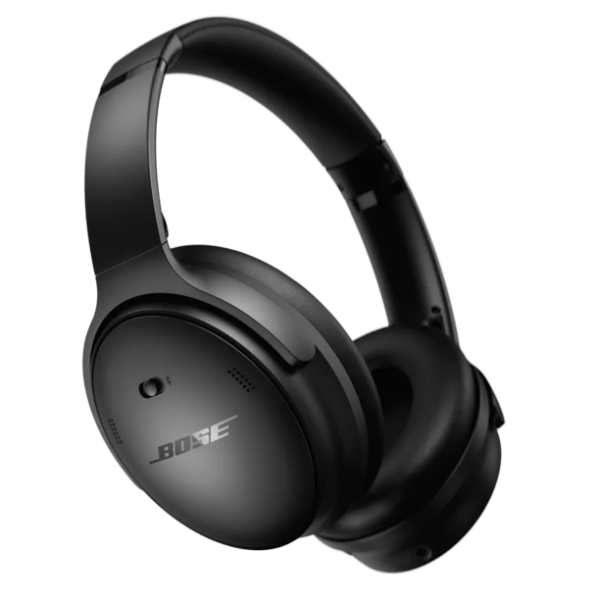
QuietComfort Headphones
₱22,900.00Headphones, Noise Cancelling Headphones & Earbuds -
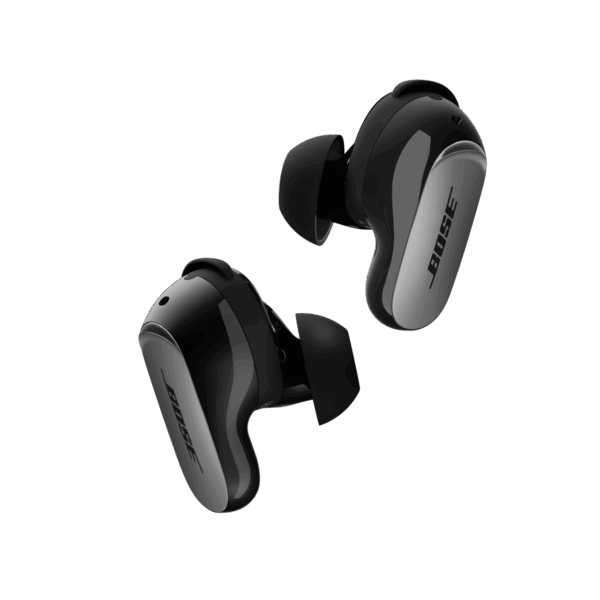
Bose QuietComfort Ultra Earbuds (2nd Gen)
₱19,500.00Headphones -
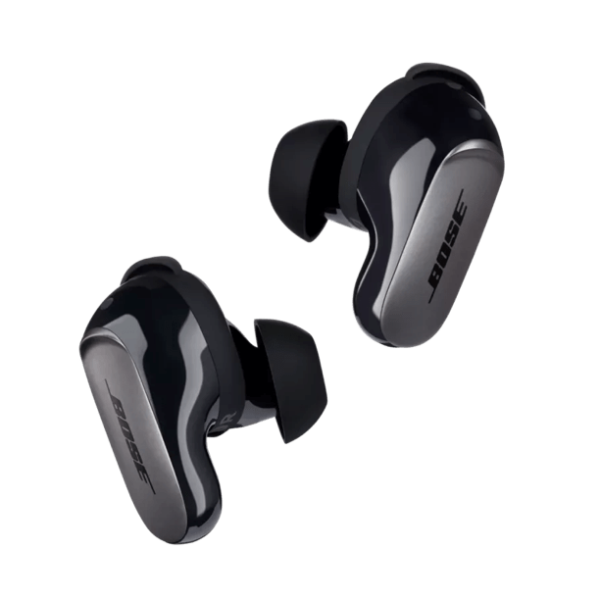
Bose QuietComfort Ultra Earbuds (1st Gen)
₱19,500.00Headphones, Noise Cancelling Headphones & Earbuds -
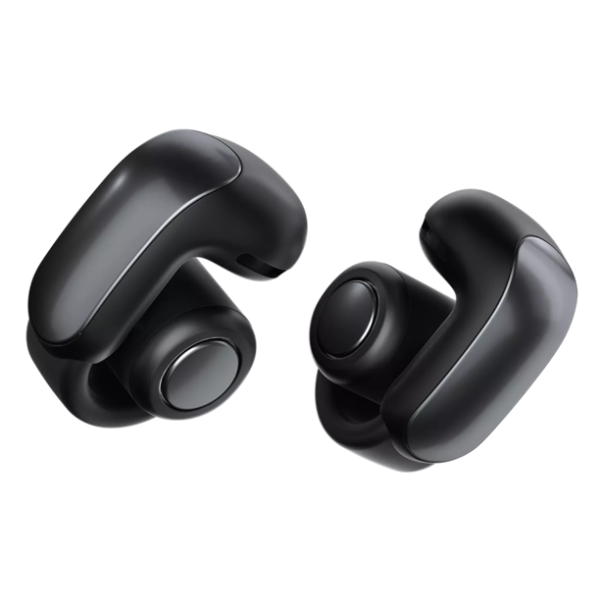
Bose Ultra Open Earbuds
₱18,500.00Headphones -
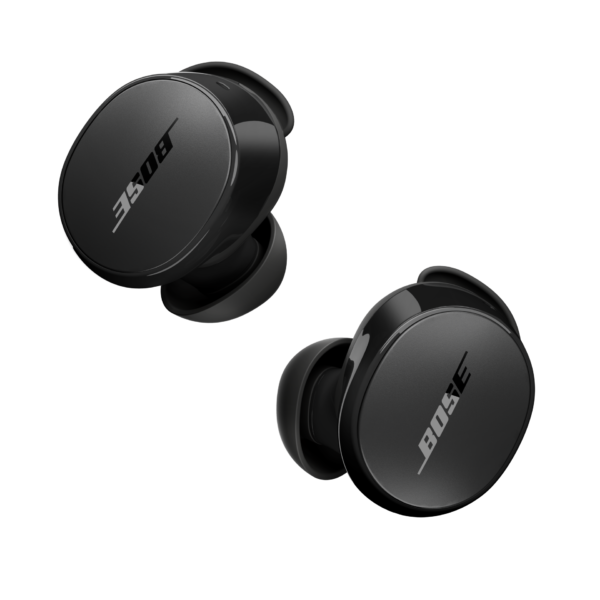
QuietComfort® Earbuds
₱10,990.00Headphones, Noise Cancelling Headphones & Earbuds -
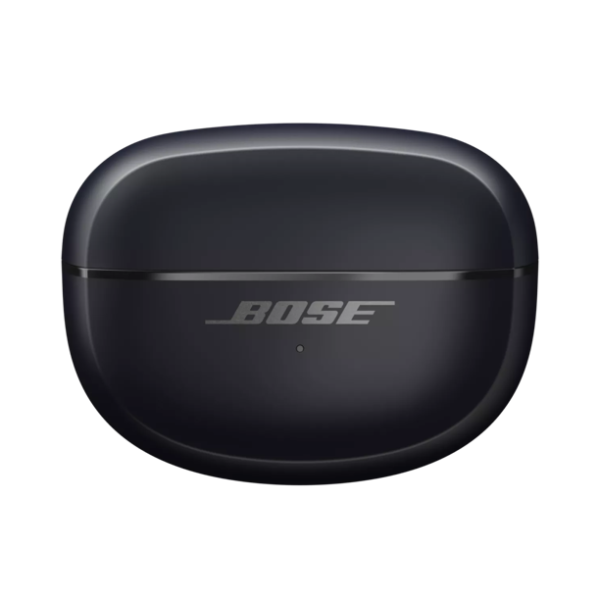
Bose Ultra Open Earbuds Wireless Charging Case Cover
₱2,900.00Headphones & Earbuds Accessories
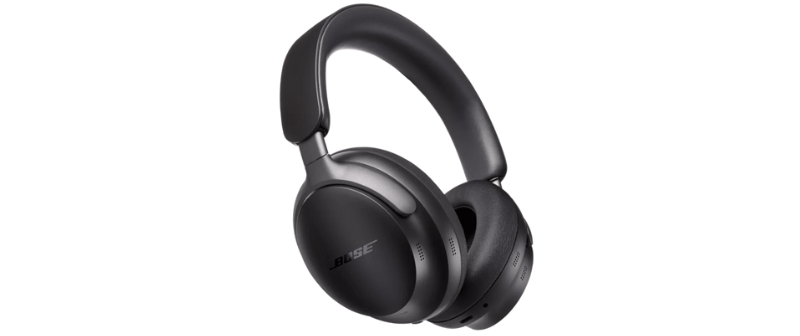
These are Bose’s most advanced over-ear headphones yet, blending premium materials with Immersive Audio and world-leading ANC performance. Perfect for long flights, work sessions, or deep listening at home.
Key Features:
- CustomTune audio calibration for personalized sound
- Adjustable levels of ANC
- 24-hour battery life
- Soft ear cushions for long wear
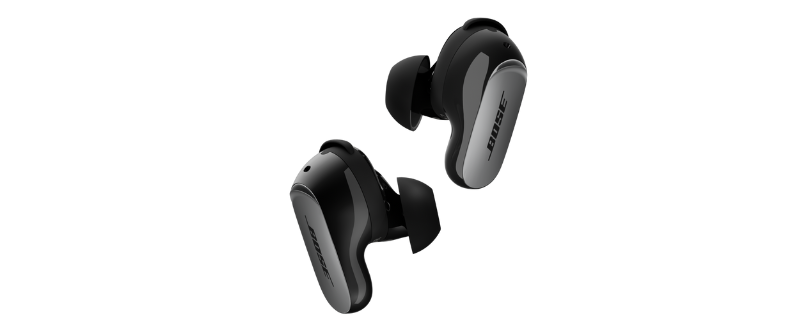
Compact yet incredibly powerful, these earbuds offer studio-grade sound with adaptive ANC that adjusts in real time to your surroundings.
Key Features:
- ActiveSense™ technology for situational awareness
- Up to 6 hours of battery life per charge
- Sweat and weather-resistant (IPX4)
- Touch controls and customizable sound profiles
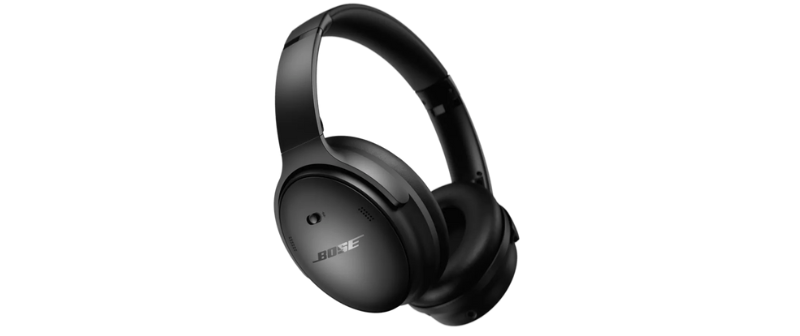
A timeless choice for anyone seeking comfort, clarity, and consistent noise cancellation.
Key Features:
- Adjustable Quiet and Aware modes
- Clear voice pickup for calls
- Up to 24 hours of playtime
- Lightweight design ideal for daily use
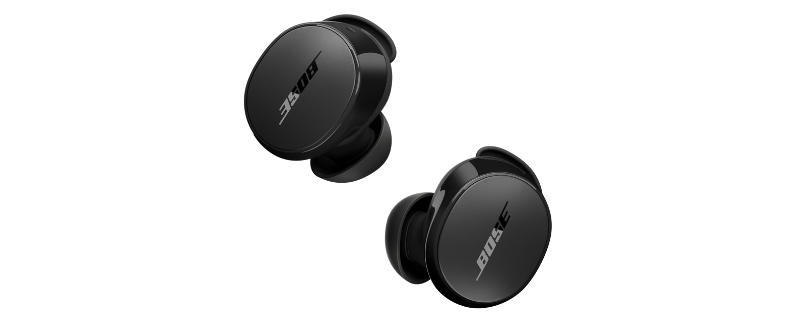
These earbuds helped define the noise-cancelling category. Even years after launch, they deliver rich sound and excellent ANC performance.
Key Features:
- Secure, comfortable fit
- Clear calls with advanced microphones
- Easy Bluetooth pairing with the Bose Music App

A revolutionary design that keeps your ears open while still delivering immersive sound. They use OpenAudio™ technology, balancing comfort and awareness.
Key Features:
- Open-ear design with stable fit
- Immersive Audio mode
- Long battery life with quick charging
- Ideal for multitasking and movement
How to Choose the Right Noise-Cancelling Headphones
Here’s how to pick the perfect pair based on your lifestyle:
- For Frequent Travelers: Go for Bose QuietComfort Ultra Headphones for maximum isolation and comfort.
- For Daily Commute or Office: The QuietComfort Ultra Earbuds (2nd Gen) offer compact convenience with high-end ANC.
- For Active Lifestyles: The Ultra Open Earbuds let you stay aware while enjoying spatial sound.
- For Balanced Everyday Use: The QuietComfort Headphones strike the right balance of comfort, price, and performance.
Frequently Asked Questions About Noise Cancellation
Which type of noise cancelling is better for music?
Active noise cancelling uses microphones and sound waves to cancel noise electronically, while passive noise cancelling blocks sound physically with earcups or ear tips.
Is noise cancelling safe for your ears?
For music listening, active noise cancelling (ANC) headphones usually perform better. They block out background noise so you can hear every detail in your music — from bass notes to vocals — without turning up the volume. Bose ANC headphones, like the QuietComfort Ultra Headphones and Ultra Earbuds, use adaptive noise cancelling that adjusts automatically, keeping your sound balanced and clear in any environment.
Do noise-cancelling headphones block all noise?
Yes — modern active noise-cancelling headphones can block out most background sounds in everyday environments. For example, they can almost completely drown out the noise in coffee shops, hum of airplane engines, bus or train rumbles, and office chatter. While extremely sudden or sharp sounds (like someone clapping or shouting) may still be faintly heard, Bose noise-cancelling headphones effectively remove the constant low-frequency noise that causes the most fatigue and distraction.
Are noise-cancelling headphones worth it for travel?
Absolutely. They minimize background noise, reduce fatigue, and make long flights or commutes more comfortable.
Do Bose headphones have noise cancelling?
Yes. All Bose headphones and earbuds feature advanced Active Noise Cancelling (ANC) technology.
What are the best noise-cancelling headphones in the Philippines?
The Bose QuietComfort Ultra Headphones and Bose QuietComfort Ultra Earbuds (2nd Gen) are among the top-rated options for travelers and professionals alike.
Noise cancelling isn’t just a feature—it’s a lifestyle upgrade. Whether you’re tuning out the world during work, focusing on your next flight, or enjoying music without distraction, Bose gives you total control over what you hear.
Shop 100% original Bose products at Eleksis Marketing Corporation, the authorized distributor of Bose in the Philippines. Enjoy free nationwide shipping, official warranty, and expert customer support.
👉 Visit our Bose Stores across Metro Manila or shop online at eleksis.com
Related Articles: